

Behind the Glass: A Look Inside My Reclamation Experiments
My work with reclaimed materials didn’t begin with essential oil bottles. It grew out of a long series of experiments — some successful, some impractical, all of them necessary. Glass has been a companion through almost every stage of my practice, and like most relationships, it’s been complicated, rewarding, and occasionally a little hazardous.
This is the story behind the pieces you see today — the messy research, the trial-and-error, and the constant search for a process that balances beauty, sustainability, and reality.
The First Experiments: Liquor Bottles and Heavy Slabs
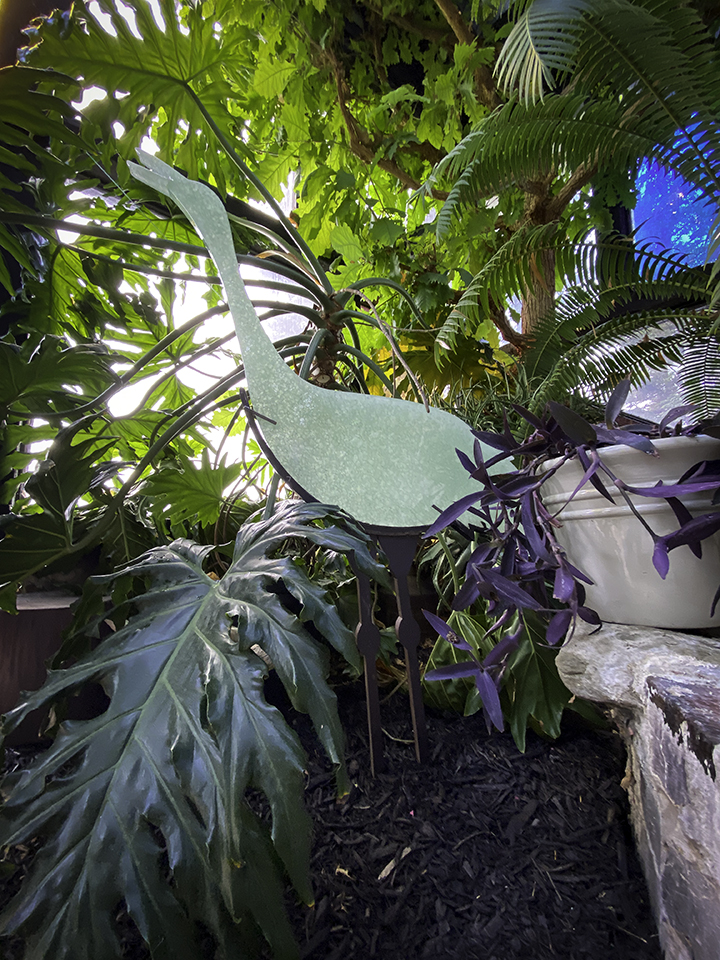
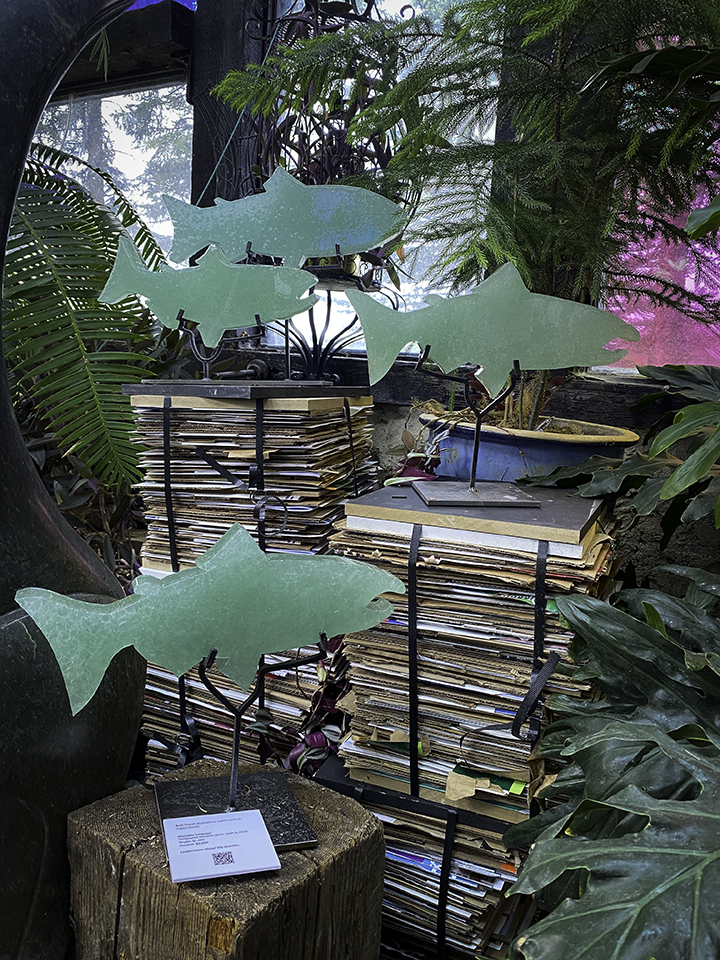
Years ago, I started collecting empty liquor bottles and tempered windows and melting them down into thick glass slabs. The idea was simple: take something ordinary and cast it into something substantial.
The execution? Not so simple.
Each slab required hours in the kiln, and once they were cooled, I’d send them for waterjet cutting, shaping them into large animal silhouettes. The results were beautiful — dense, luminous, and surprisingly emotional. But the process was grueling. The slabs were heavy, the electricity use was intense, and the physical strain eventually started damaging my back and shoulders.
It became clear that if I wanted to continue working with reclaimed glass long-term, I needed a smarter, more scalable approach.
Tile Making and the Freeze–’n–Fuse Era
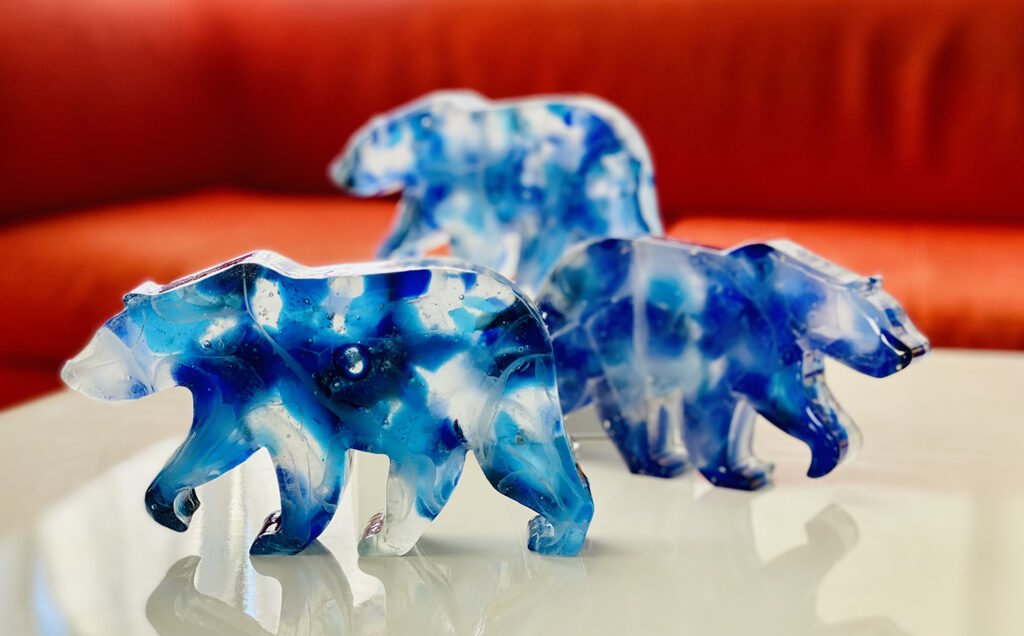
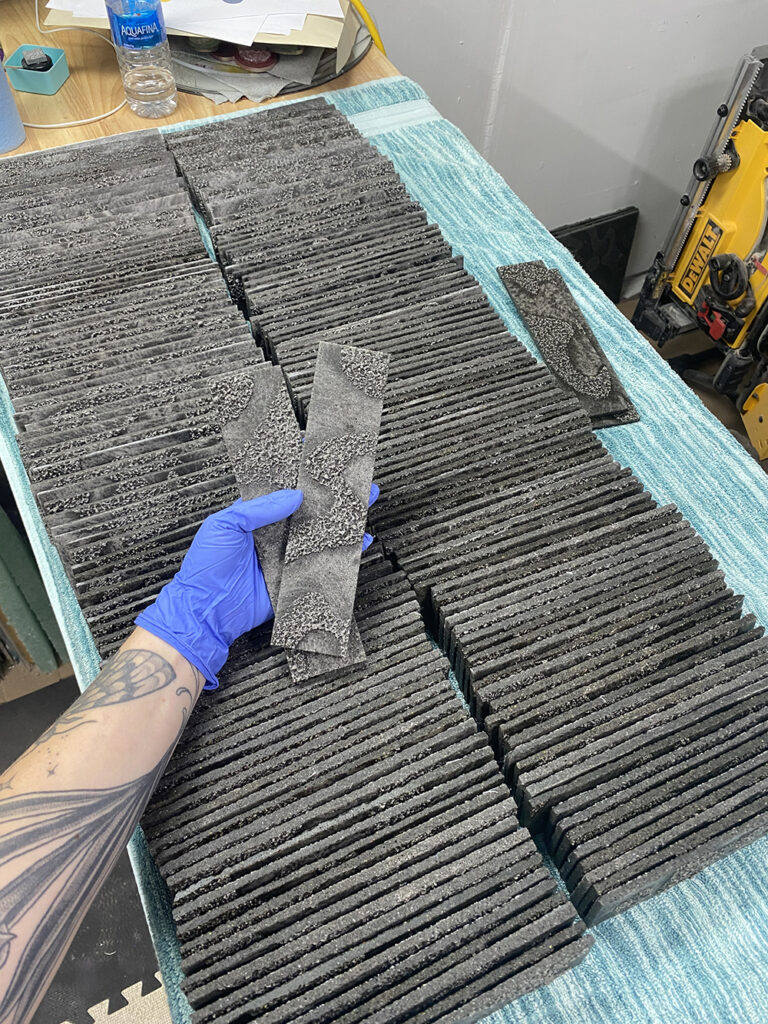
That led me to the “freeze ’n fuse” method: mixing powdered glass with water, packing it into silicone molds, freezing it, and then firing it just long enough to remove the water and bond the shape.
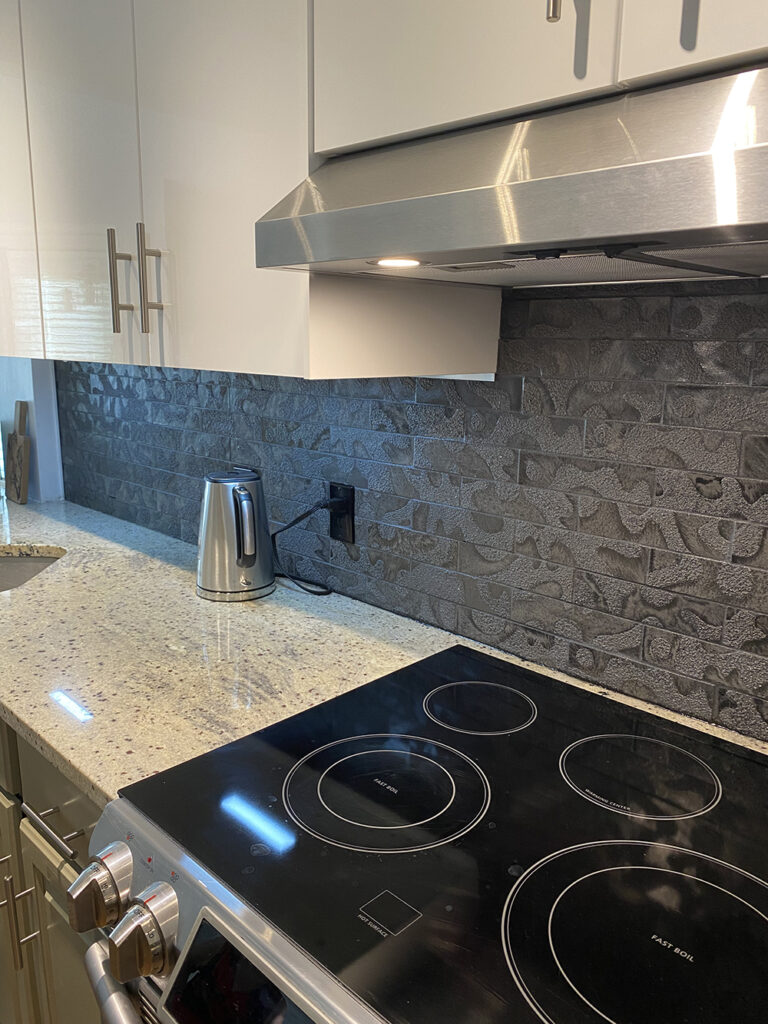
This opened the door to a whole new world of functional possibilities — custom tiles, textured forms, anything I could carve into a mold.
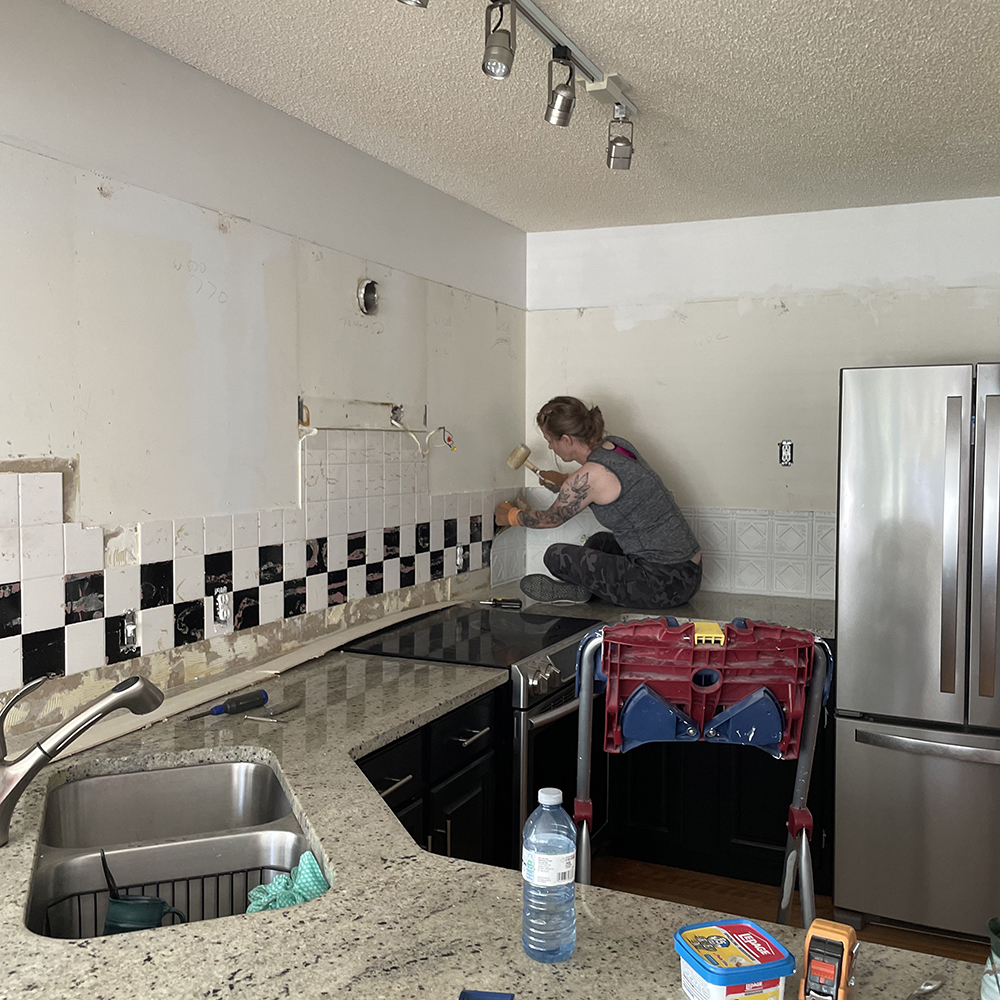
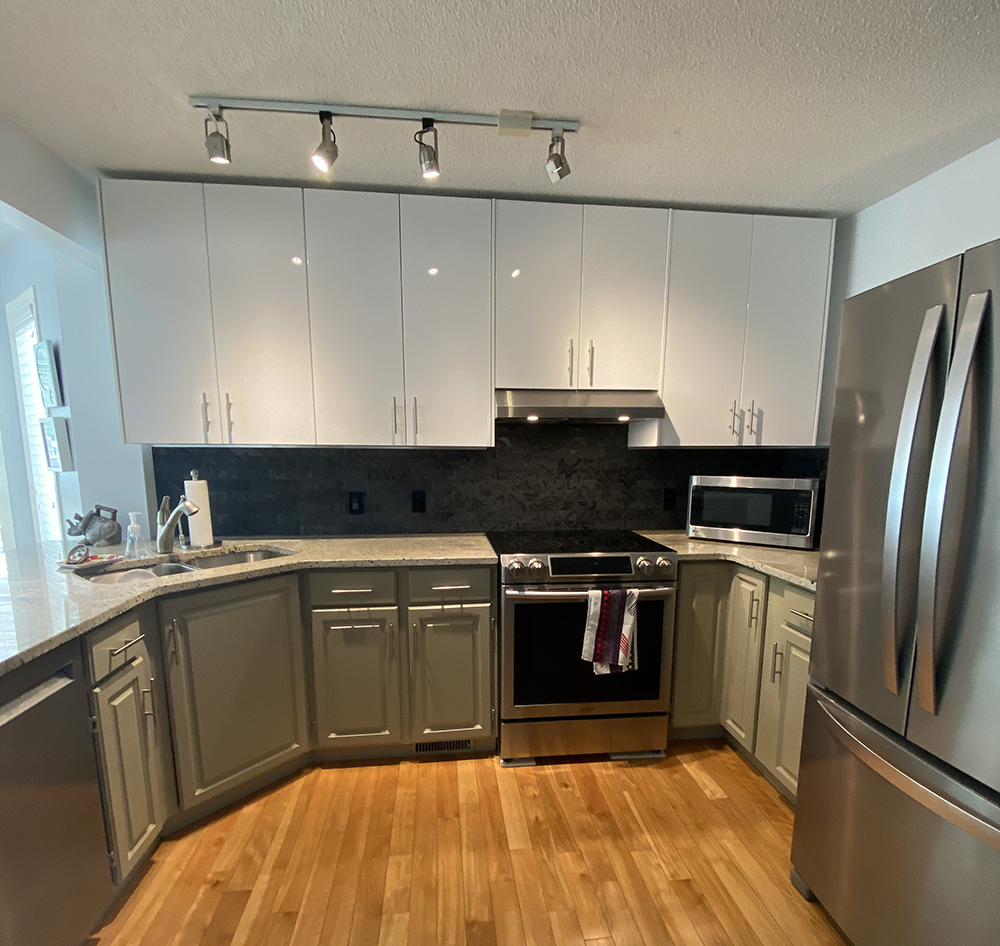
I even tiled my mother’s entire kitchen using this process.
But the method still required a massive amount of glass and very specific kiln conditions for larger batches. Scaling it up would have demanded more kilns, more energy, more infrastructure — basically an entire glass facility. And energy costs were already climbing fast.
Great idea, not a sustainable one.
The Sand Phase: Shattering, Crushing, Reimagining
The next pivot was a big one: turning bottles into glass sand.
Glass sand is incredibly versatile. It can become terrazzo (combined with concrete or plaster), surface texture, decorative detail, or be remelted into new forms. And unlike kiln-cast slabs or tiles, it doesn’t strain the body or require enormous kilns.
So I started breaking glass the hard way — by hand.
The process looked like this:
- Remove lids, labels, plastic components
- Clean and dry the bottles
- Fire them in the kiln to 1100°F
- Pull them out hot and drop them into ice water
- Once dry, hammer them apart
- Grind them to different grits with a heavy-duty spice grinder
- Sift the sand into various size grits
It was tedious, physical work. But it worked — and it opened up an entirely new material language.
Around this time, I discovered a glass crusher in New Zealand designed for remote communities restoring eroded riverbeds. It produces exact, consistent glass sand — perfect for large-scale art. But at $15K, the cost was out of reach without a proven commercial pathway.
That’s when the Saje bottles changed everything.
Turning Waste Into Something Worth Keeping
While doing material testing, I kept coming back to the little glass essential oil bottles. They were beautifully made, everywhere, and almost impossible to recycle through standard systems.
I already loved Saje’s products and values, so I used their packaging as a case study:
Could I take something ubiquitous and overlooked — something destined for the landfill — and turn it into something elevated, refined, even luxurious?
The answer became:
- glass glitter for my sculptural clouds
- terrazzo-style glass-plaster products
- resin-embedded surfaces
- prototypes for future large-scale installation work
The more I built, the more potential I saw. And the more potential I saw, the more important the community loop became.
If people could return bottles, and those bottles could become art, the process wasn’t just sustainable — it was circular, values-driven, and participatory.
That’s when the grassroots recycling program was born.
Where This Is Going
The reclaimed glass work you see today is shaped by years of testing, pivoting, and rethinking how materials are used. Nothing about the journey has been linear, but that’s exactly what makes it interesting.
The long-term vision?
A dedicated system for glass reclamation that supports both small-scale design objects and large sculptural installations. An industrial crusher (that lovely $15K one). More ambitious public pieces. A stronger link between community action and material transformation.
Every bottle dropped off now is part of building that future — one experiment at a time.
